
 EN
EN
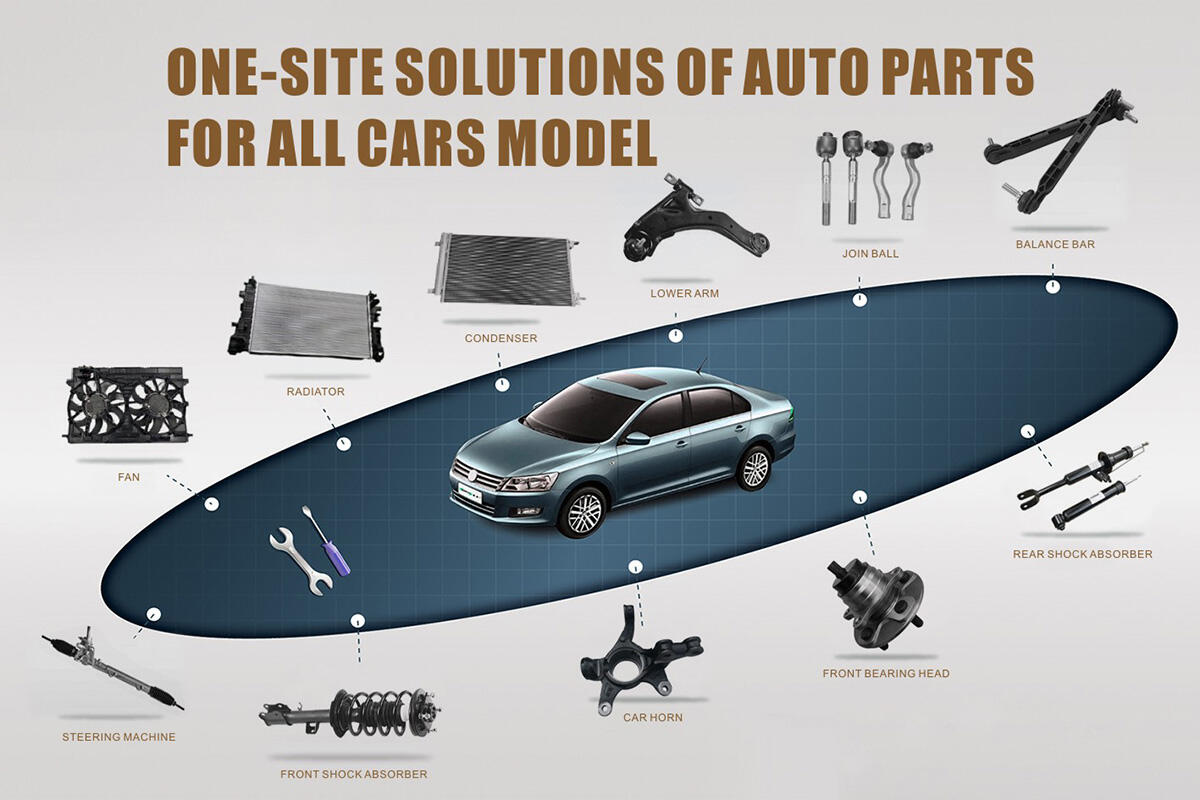
When it comes to maintaining and repairing vehicles, choosing the right auto parts and accessories is one of the most critical decisions a driver faces. The global aftermarket has exploded in the last decade, giving consumers an unprecedented range of auto parts and accessories that compete directly with original-equipment components. Understanding the real-world differences between genuine Original Equipment Manufacturer (OEM) items and aftermarket auto parts and accessories can dramatically affect performance, safety, and long-term ownership costs.
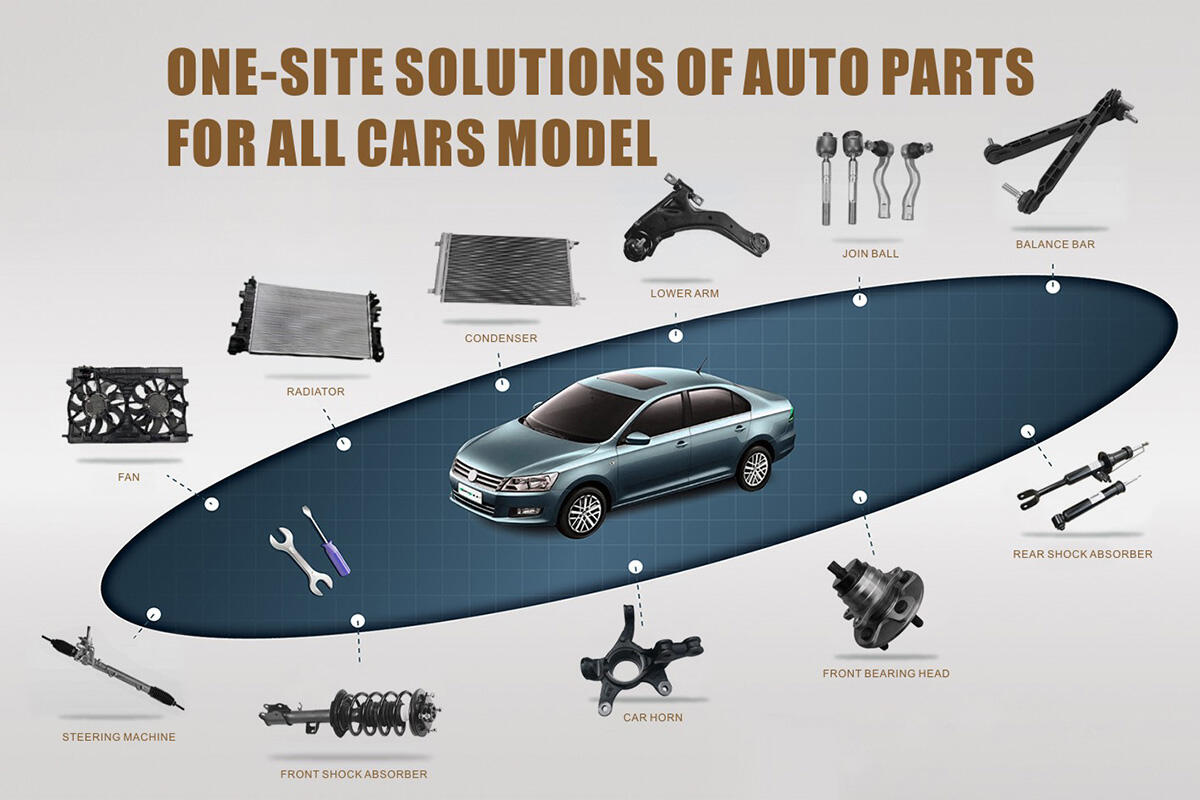
Understanding Original Equipment Manufacturer Auto Parts and Accessories
Manufacturing Standards & Quality Control
Genuine auto parts and accessories are produced by the same supplier that built the component for the assembly line. That single-source pedigree means the raw alloys, polymer blends, electronic calibration, and surface coatings are identical to what left the factory. Tier-1 OEM suppliers must maintain ISO/TS 16949 certification, a quality benchmark rarely demanded of economy-grade auto parts and accessories sold online. Multistage inspections include CT scanning for casting porosity, dynamometer tests for rotating assemblies, and climate-chamber cycling for plastic auto parts and accessories exposed to under-hood temperatures from –40 °F to +250 °F.
Warranty Coverage & Technical Support
Vehicle manufacturers back their branded auto parts and accessories with comprehensive warranty protection that usually covers both the component and consequential labor. If a genuine water-pump bearing fails at 36 000 miles, the OEM will often pay for coolant, towing, and even rental-car fees—benefits rarely matched by budget auto parts and accessories. Dealer techs also receive proprietary installation bulletins, torque sequences, and scan-tool calibrations that ensure the new auto parts and accessories integrate seamlessly with onboard control modules.
Exploring Aftermarket Auto Parts and Accessories
Market Diversity & Consumer Choice
The aftermarket universe includes more than 20 000 companies worldwide that design, tool, and distribute auto parts and accessories for every conceivable niche. From billion-dollar multinationals to boutique machine shops, this competitive ecosystem drives innovation that can exceed OEM benchmarks. High-performance brake auto parts and accessories, for example, may use carbon-ceramic matrices never specified by the factory, delivering shorter stopping distances and longer life under severe-duty cycles.
Quality Variations & Third-Party Certification
Not all auto parts and accessories are created equal. Quality tiers range from “white-box” economy pieces to premium auto parts and accessories that carry CAPA, Thatcham, or TÜV approval. Reputable manufacturers publish test data proving their auto parts and accessories meet or exceed OEM burst strength, thermal cycling, and salt-spray resistance. Look for certificates that reference FMVSS, SAE J-spec, or ECE R-regulations; these marks verify the auto parts and accessories have passed the same protocols as genuine components.
Cost Analysis & Total Cost of Ownership for Auto Parts and Accessories
Purchase-Price Delta
On average, aftermarket auto parts and accessories cost 20–60 % less than OEM equivalents. That spread exists because aftermarket firms amortize R&D across multiple vehicle platforms, buy raw materials in smaller lots, and avoid vehicle-brand licensing fees baked into OEM auto parts and accessories. A genuine catalytic converter for a 2020 Honda Accord might list at
1400,while EPA−certified aftermarket auto parts and accessories start near 550. The delta widens further for wear-and-tear auto parts and accessories such as brake pads, filters, and belts.
Hidden Cost Variables
Initial invoice price is only the tip of the iceberg. Consider installation complexity, required special tools, diagnostic re-flashes, and potential re-work. Some aftermarket auto parts and accessories include design tweaks (slotted brake discs, quick-disconnect fuel connectors, pre-threaded mounting bosses) that shave labor time by 15–30 minutes—enough to offset the higher list price of premium auto parts and accessories. Conversely, poor-fitting economy auto parts and accessories can trigger comebacks that erase any upfront savings.
Performance & Compatibility of Modern Auto Parts and Accessories
Functional Equivalency & Reverse Engineering
Top-tier aftermarket engineers use 3-D laser scanning, finite-element analysis, and accelerated aging rigs to ensure their auto parts and accessories replicate OEM mechanical properties. Durometer hardness on suspension bushings, flow curves on fuel injectors, and electromagnetic shielding on sensor auto parts and accessories are all validated against factory blueprints. The best aftermarket firms even subject auto parts and accessories to on-vehicle NVH (noise, vibration, harshness) testing to confirm cabin comfort metrics.
Performance Upgrades Built Into Aftermarket Auto Parts and Accessories
Some auto parts and accessories are explicitly designed to outperform OEM specs. Examples include:
Cold-air intake auto parts and accessories that add 5–10 hp and improve filtration efficiency.
High-flow oil-filter auto parts and accessories with 99 % multi-pass efficiency at 20 microns—3–4 % better than many OEM filters.
Silicone radiator-hose auto parts and accessories rated for 500 °F and 200 psi, far above typical 180 °F/120 psi OEM hoses.
LED headlight auto parts and accessories that deliver 6 000 K daylight beam patterns, reducing driver fatigue and increasing down-road visibility by 150 %.
Such upgrades illustrate how aftermarket auto parts and accessories can simultaneously enhance durability, performance, and aesthetics.
Making Informed Selection Decisions for Auto Parts and Accessories
Application-Specific Priority Matrix
Use a simple decision grid to classify every purchase of auto parts and accessories:
Safety-critical (brake hydraulics, steering linkages, airbag sensors) – OEM or CAPA-certified auto parts and accessories only.
Wear-and-tear (brake pads, wiper blades, filters) – Premium aftermarket auto parts and accessories with 12-month/12 k-mile warranty.
Cosmetic or convenience (trim clips, floor-mat auto parts and accessories, phone mounts) – Economy aftermarket acceptable if fit is verified.
Vehicle age matters: cars under factory power-train warranty should stick to OEM auto parts and accessories to avoid claim disputes, whereas 10-year-old daily drivers can benefit from cost-effective aftermarket auto parts and accessories without meaningful risk.
Research Checklist Before You Buy Auto Parts and Accessories
Verify exact year, make, model, engine code, trim, and production date.
Cross-reference OEM part number against aftermarket SKU databases (ACES/PIES).
Read recent forums, YouTube installs, and Amazon reviews focused on long-term durability of the auto parts and accessories.
Confirm warranty terms: labor inclusive? Pro-rated? Requires authorized installer?
Check shipping and return policies; oversized auto parts and accessories (hoods, bumpers) can carry restocking fees up to 25 %.
FAQ About Auto Parts and Accessories
Q1. How do I guarantee aftermarket auto parts and accessories will fit my exact vehicle?
Reputable e-commerce platforms now use ACES fitment data that ties VIN digits to verified auto parts and accessories. Always match OEM part numbers, engine code, and production month. When in doubt, email the seller your VIN and request a written fitment guarantee for the auto parts and accessories you order.
Q2. What warranty is normal for high-quality aftermarket auto parts and accessories?
Premium brake, suspension, and engine auto parts and accessories typically carry 3-year/36 k-mile warranties, with some brands offering limited lifetime coverage. Electrical auto parts and accessories (starters, alternators, sensors) usually span 1-year/12 k-mile. Read exclusions: off-road racing, commercial delivery, or taxi use can void coverage on certain auto parts and accessories.
Q3. Can using aftermarket auto parts and accessories void my factory warranty?
Federal Magnuson-Moss Warranty Act prohibits manufacturers from denying warranty coverage solely because you installed aftermarket auto parts and accessories. However, if the aftermarket component directly causes the failure (e.g., an aftermarket turbo kit blows the engine), the dealer can refuse that specific claim. Keep receipts and installation photos of all auto parts and accessories to defend yourself if disputes arise.
Q4. How do I spot low-quality auto parts and accessories before purchase?
Red flags: no brand name, missing DOT/SAE stamps, prices 70 % below OEM, vague warranty language, and stock photos instead of images of the actual auto parts and accessories. Legitimate companies provide detailed specs, country of origin, and compliance certificates for their auto parts and accessories.
Q5. Where can professional mechanics source reliable aftermarket auto parts and accessories?
TechNet, NAPA, CarQuest, and Federated Auto Parts networks pre-screen suppliers, ensuring the auto parts and accessories you buy meet OEM-level testing. Many offer nationwide warranty support and overnight delivery, so your chosen auto parts and accessories arrive ready for immediate professional installation.
Bottom Line on Auto Parts and Accessories
Whether you choose genuine OEM or aftermarket auto parts and accessories, the decisive factors are certification, warranty, and documented performance data—not the logo on the box. Use the decision matrix above, insist on verifiable quality standards, and keep meticulous records of every purchase of auto parts and accessories. Do this, and you will enjoy optimal performance, maximum safety, and the lowest total cost of ownership for every mile you drive.